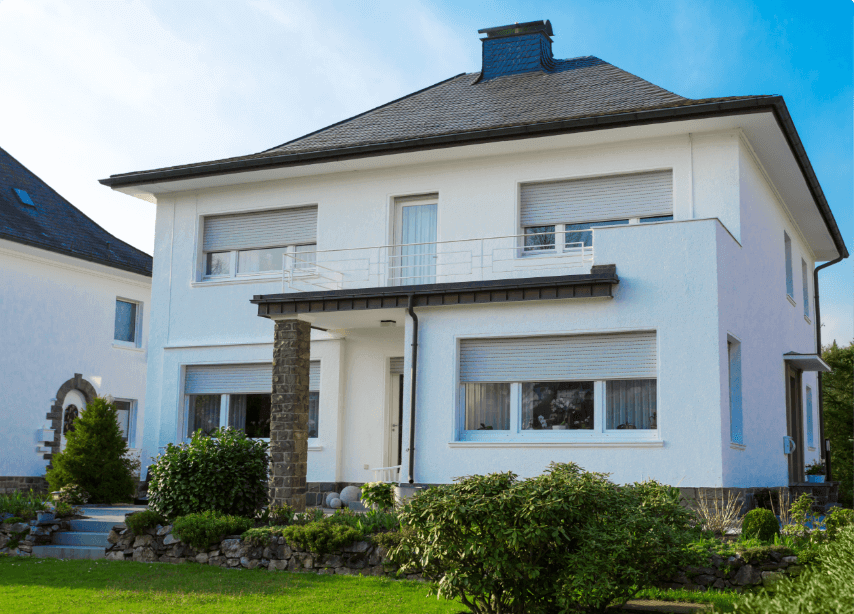




Balancing Heritage Preservation and Real Estate Growth in Bhaktapur || Guru Group ||
-
- Real Estate
- Jun 26, 2026
- 4 weeks ago
- 31 views
Balancing Heritage Preservation and Real Estate Growth in Bhaktapur || Guru Group ||
Balancing Heritage Preservation and Real Estate Growth in Bhaktapur
Introduction
Bhaktapur is one of Nepal's most historically significant cities, renowned for its centuries-old temples, traditional architecture, and vibrant cultural heritage. As urbanization accelerates and demand for housing and commercial spaces increases, Bhaktapur faces a critical challenge: how to accommodate real estate growth while preserving the unique heritage that defines its identity. Striking this balance is essential for sustainable development, economic prosperity, and cultural continuity.
The Importance of Heritage Preservation
Bhaktapur is home to numerous cultural treasures, including Bhaktapur Durbar Square, ancient courtyards, traditional Newari settlements, and religious monuments that attract visitors from around the world. These heritage assets provide several benefits:
- Cultural Identity: Historic structures and traditions connect current generations to their roots.
- Tourism Revenue: Heritage tourism contributes significantly to the local economy.
- Community Pride: Preserved neighborhoods foster a strong sense of belonging among residents.
- Educational Value: Historical sites offer opportunities for research and cultural learning.
Losing these assets to uncontrolled development could diminish Bhaktapur's cultural significance and long-term economic potential.
Growing Demand for Real Estate
Like many urban centers in Nepal, Bhaktapur is experiencing increasing demand for residential, commercial, and mixed-use developments. Several factors contribute to this growth:
- Population expansion and migration from rural areas.
- Improved infrastructure and connectivity.
- Rising demand for modern housing and business facilities.
- Increased investment interest in the real estate sector.
Real estate development can create jobs, improve living standards, and generate municipal revenue. However, without careful planning, rapid construction can threaten historic neighborhoods and traditional urban landscapes.
Key Challenges
1. Encroachment on Heritage Zones
New construction projects near heritage sites can affect the visual integrity and historical character of traditional areas. Inappropriate building heights, materials, and designs may clash with historic architecture.
2. Infrastructure Pressure
Growing populations place additional demands on roads, utilities, waste management systems, and public spaces. Expanding infrastructure within heritage-rich areas requires sensitive planning.
3. Land Value Increases
As land prices rise, property owners may be tempted to replace traditional structures with larger commercial developments, risking the loss of culturally important buildings.
4. Regulatory Enforcement
Although preservation guidelines may exist, consistent implementation and monitoring can be challenging due to resource limitations and competing development priorities.
Strategies for Sustainable Growth
Heritage-Sensitive Urban Planning
Municipal authorities can designate protected heritage zones while directing higher-density development toward appropriate growth corridors. Clear zoning regulations help prevent conflicts between conservation and expansion.
Adaptive Reuse of Historic Buildings
Instead of demolishing old structures, property owners can repurpose them for modern uses such as boutique hotels, cultural centers, cafes, or offices while retaining their historical character.
Design Guidelines for New Development
New buildings near heritage sites should follow architectural guidelines that respect local aesthetics, scale, and materials. Contemporary development can coexist with traditional architecture when designed thoughtfully.
Public-Private Collaboration
Collaboration among government agencies, developers, conservation experts, and local communities can lead to development projects that support both economic and cultural objectives.
Incentives for Preservation
Tax benefits, grants, or technical assistance programs can encourage property owners to maintain and restore heritage buildings rather than replace them.
Opportunities for Real Estate Investors
Investors who embrace heritage-conscious development can benefit from:
- Strong demand for culturally distinctive properties.
- Tourism-related business opportunities.
- Enhanced property values in well-preserved historic districts.
- Positive community relations and brand reputation.
Projects that integrate traditional design elements with modern amenities often appeal to both residents and visitors seeking authentic experiences.
The Role of Community Participation
Local residents play a vital role in shaping Bhaktapur's future. Community engagement in planning decisions helps ensure that development reflects local needs and values. Public consultations, heritage awareness programs, and participatory planning initiatives can strengthen support for balanced growth.
Conclusion
Bhaktapur's future depends on its ability to harmonize development with preservation. By implementing thoughtful planning policies, encouraging adaptive reuse, enforcing heritage protection measures, and fostering collaboration among stakeholders, the city can achieve sustainable real estate growth without sacrificing its cultural legacy. A balanced approach will allow Bhaktapur to remain both a thriving urban center and one of Nepal's most treasured heritage destinations for generations to come.
About Author

Guru Group
Welcome to Guru Group, your trusted guide in the world of real estate. We’re here to make buying land and properties a seamless, straightforward, and rewarding experience. Whether you’re looking for the perfect plot to build your dream home or searching for smart investment opportunities, we bring the best properties right to your fingertips.